The engineering recruitment landscape isn't what it was even two years ago. Technology moves faster, skills shortages bite harder, and sustainability demands reshape entire industries. Engineering recruitment agencies, such as Arden White, no longer just match CVs to job specs; they act as strategic partners who understand the deeper shifts in engineering hiring trends.
This article explains what agencies like ours prioritise in 2026 and why it matters, whether you're an engineer positioning yourself for the next opportunity or an employer building a team that can compete globally.
Technical Skills Remain Essential but Are More Specialised
Core engineering competence will always be the foundation, but engineering recruitment in 2026 centres on depth rather than breadth. Agencies aren't hunting for generalists who can do a bit of everything; they're hunting for specialists who can solve specific, complex problems in areas where demand vastly outstrips supply.
Some engineering skills in 2026 that matter most include:
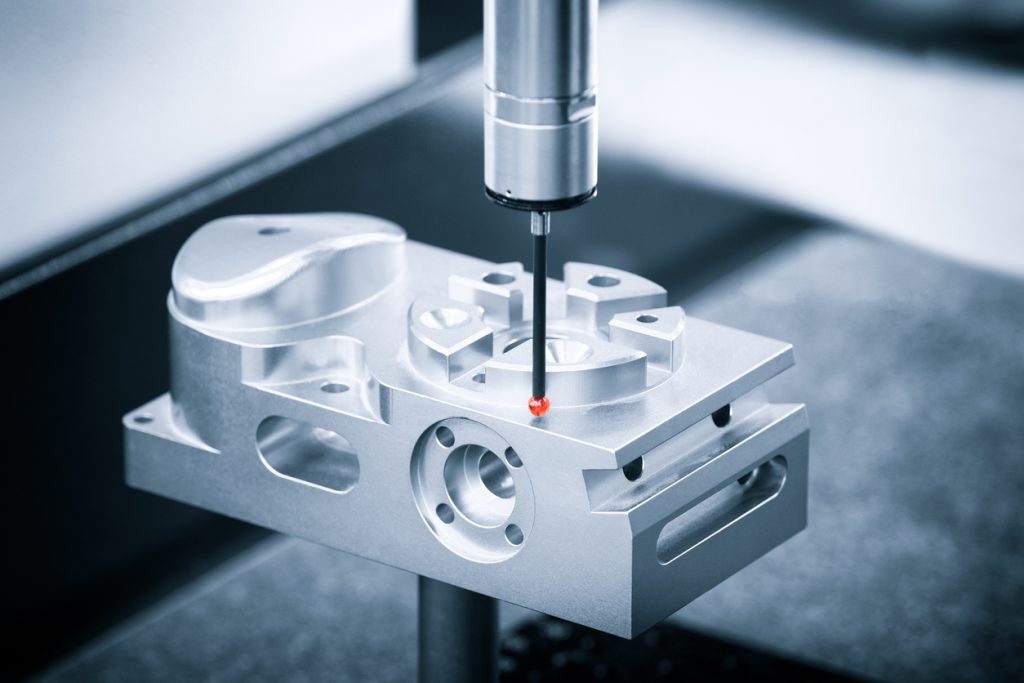
- Precision Measurement & Quality Engineering
- NPI (New Product Introduction) & Advanced Manufacturing Support
- Licensed Aircraft Engineering (EASA/UK Part‑66 – B1/B2/B3)
- Maintenance, Reliability & Production Engineering
- Defence Engineering & Security‑Cleared Technical Proficiency
- Hybrid Technical Skillsets (Mechanical + Electrical + Digital Tools)
According to recent industry data, over three-quarters of UK engineering employers report struggling to recruit for key roles, with technical and specialist sustainability skills cited as the most difficult to find. Furthermore, around 30% of firms identify a critical shortage in automation skills, which underscores how agencies now focus on niche experts rather than generalist practitioners [1].
Whether you're exploring pathways to engineering roles in F1 or moving into aerospace, keeping your technical knowledge current through certifications and continuous learning is what separates candidates who get shortlisted from those who don't. Agencies assess not just what you know, but how adaptable and current your skillset is.
Adaptability and Continuous Learning
Stop thinking simply of static skillsets, as these won't cut it anymore. Fast-changing technologies mean that what engineering recruitment agencies look for has shifted towards engineers who demonstrate a willingness to upskill and reskill throughout their careers. It's not enough to have mastered yesterday's tools; agencies want evidence of ongoing professional development and openness to new software, working methods, and engineering approaches.
This matters across STEM recruitment more broadly, but it's especially critical in sectors where engineering hiring trends show rapid technological turnover. Agencies screen for candidates who can evolve alongside industry changes, not just those who meet today's requirements. If your CV shows stagnation rather than growth, you'll struggle in a market that values learning agility as much as technical expertise.
Soft Skills and Human-Centred Engineering
Bear in mind that technical brilliance alone doesn't win roles anymore. Engineering employers increasingly value engineers who can explain complex ideas clearly and work effectively with others, which means soft skills now carry serious weight in engineering recruitment.
Agencies assess your ability to communicate with non-technical stakeholders, collaborate in cross-functional and remote teams, and demonstrate problem-solving and critical thinking under pressure. Leadership potential matters too, even in non-management roles, because engineering recruitment agencies know that today's senior engineer is tomorrow's technical lead.
The most successful candidates in STEM recruitment are those who combine technical depth with the ability to influence, mentor, and drive projects forward. If you can't translate your technical work into language that resonates with commercial teams or clients, you'll find doors closing.
Sustainability and Ethical Awareness
Sustainability is no longer a nice-to-have; it's reshaping engineering hiring trends across every sector. Agencies like Arden White screen for candidates who understand the wider impact of their work, which means experience with sustainable design, energy efficiency, or low-carbon projects now carries real currency.
Awareness of environmental regulations and ethical engineering practices matters, as does alignment with company values around Environmental, Social, and Governance (ESG) and responsible innovation.
Demand for green skills remains highly resilient despite broader market shifts; by early 2026, the number of green job advertisements in the UK has more than doubled since 2021, now representing approximately 3.3% of the total UK job market. And engineering employers face a stark reality, as around 36% of organisations admit they currently lack the internal skills to meet 2050 decarbonisation targets [2].
This is why engineering recruitment prioritises candidates who bring both technical capability and sustainability awareness to the table.
Flexibility, Work Models, and Cultural Fit
Working expectations are evolving, and engineering recruitment agencies prioritise candidates who adapt smoothly to modern structures. Openness to hybrid or remote working is increasing, while flexibility across contract, permanent, and project-based roles demonstrates the kind of pragmatism that appeals to employers.
Cultural alignment matters more than ever because technical skills alone won't guarantee success if you can't integrate into a team or align with how a business operates. The skills engineers need in 2026 extend beyond the technical and into the interpersonal. STEM recruitment has shifted towards valuing candidates who can slot into evolving work models without friction, which means agencies assess not just your technical fit but your ability to thrive in the specific environment an employer offers.
How Engineers Can Prepare for 2026
The future of engineering careers belongs to those who combine technical excellence with adaptability, soft skills, and ethical awareness. Engineering recruitment trends show that employers want engineers who stay curious, invest in learning, and think beyond job titles to long-term career development.
If you're exploring engineering jobs in 2026, start by auditing your skills against market demand and filling the gaps through targeted training. For practical steps on positioning yourself effectively, our guide on job search strategies for engineers offers a solid starting point.
But if you truly want to succeed, contact Arden White. We connect world-class candidates with world-leading organisations across F1 and motorsport, aviation and aerospace, automotive, defence, and manufacturing. With over 50 years of combined direct engineering experience and 75 years of recruitment expertise, we understand both sides of the equation.
Whether you're an engineer searching for your next challenge or an employer building a team that can satisfy 2026's engineering hiring trends, speak to our team on +44 (0)1202 862777 or use our contact form to discuss how we can support your goals.
External Links
[1] https://www.theiet.org/media/press-releases/press-releases-2025/press-releases-2025-october-december/6-october-2025-latest-uk-engineering-and-technology-skills-stats-2025
[2] https://www.pwc.co.uk/services/sustainability-climate-change/insights/green-jobs-barometer.html